Polyurethane waterproofing for interior spaces: preparing indian buildings for monsoon season
 06.09.2026
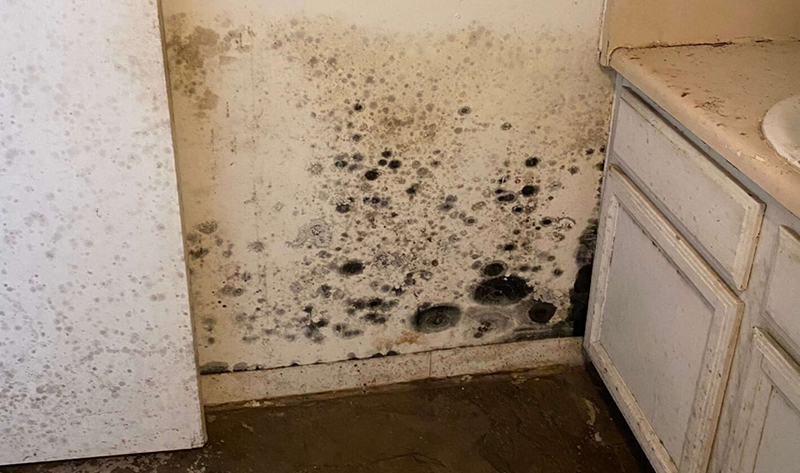
The Indian monsoon is a test not just for roofs and facades. A large share of the leaks and damp patches homeowners and facility managers deal with don't start outside — they start inside: in bathrooms, kitchens, balconies, basements, and underground parking.
Water works its way in through hairline cracks in the screed, joints at wall-floor junctions, and old coatings that have lost their elasticity — then spends months damaging the structure from within, feeding mould, lifting tiles, and corroding reinforcement.
One of the most reliable ways to close this vulnerability is liquid-applied polyurethane waterproofing, such as TECHNONICOL ULTRATHANE.
Why interior spaces are a risk zone
Wet rooms (bathrooms, kitchens, laundry areas) and the balconies or terraces attached to living spaces carry a double load:
- Constant everyday moisture —from plumbing, laundry, cooking — slowly works into the pores of an unprotected cement screed.
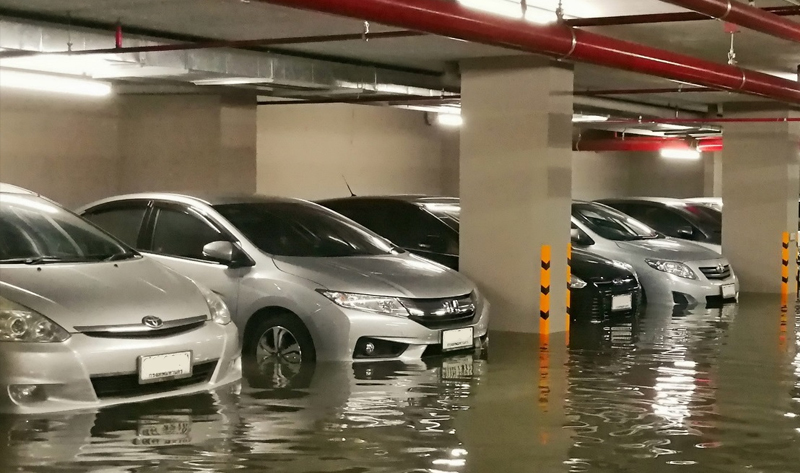
- Seasonal rainy-season load — idriving rain hitting balconies and terraces side-on, or rising groundwater in basements during peak rainfall (June–September), turns any hidden waterproofing defect into a visible leak almost immediately.
This combination is the main reason ordinary cement plaster or a one-off bitumen coating rarely hold up long-term in a tropical climate: they crack under temperature and humidity swings, and a crack as small as 1–2 mm is already enough to let water through.
What a polyurethane membrane delivers
TECHNONICOL ULTRATHANE is a one-component, moisture-curing liquid polyurethane that cures into a continuous, seamless elastic membrane — with no laps or joints, and no reinforcing mesh required for the unreinforced system.
Key technical characteristics:
- Elongation at failure - over 500%: the membrane stretches along with hairline movement in the screed instead of tearing.
- Crack-bridging ability - from 2 mm, covering the vast majority of shrinkage and movement cracks found in screeds and plaster.
- Water head resistance at 5 bar pressure (per EN 12390-8) - confirmed by testing, which matters for rooms in constant contact with water or subject to temporary flooding.
- Adhesion to concrete - above 2.0 MPa, giving a strong bond to the substrate without delamination.
- Vapour permeability - at least 25 g/m²/day, meaning the membrane doesn't seal moisture inside the structure but lets it gradually escape — an important property in a humid tropical climate, where a "sealed-in" wall becomes a mould breeding ground faster.
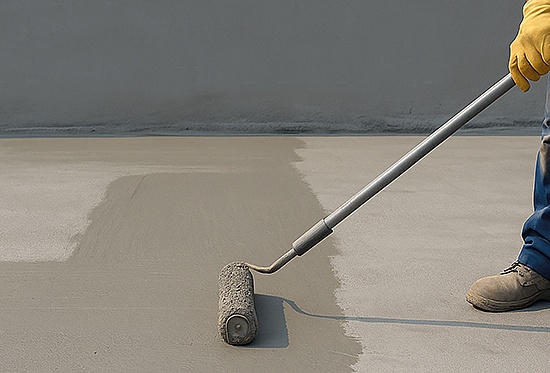
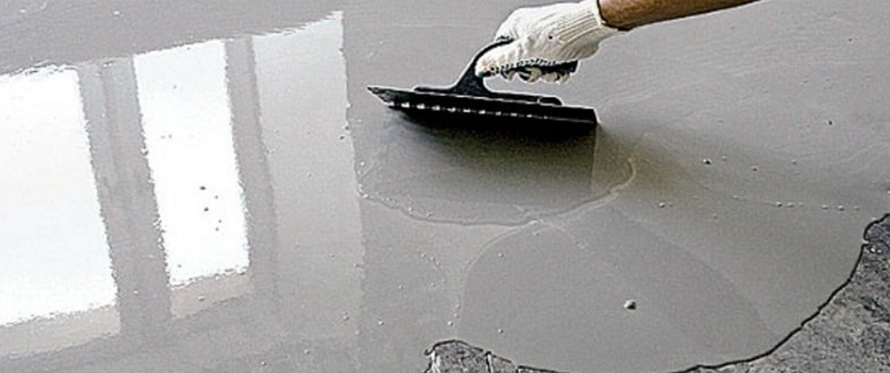
The material is applied by brush, trowel, roller, or airless spray; for reinforced systems — typically at junctions, corners, and movement joints — roller application with a polyester fleece reinforcement is recommended.
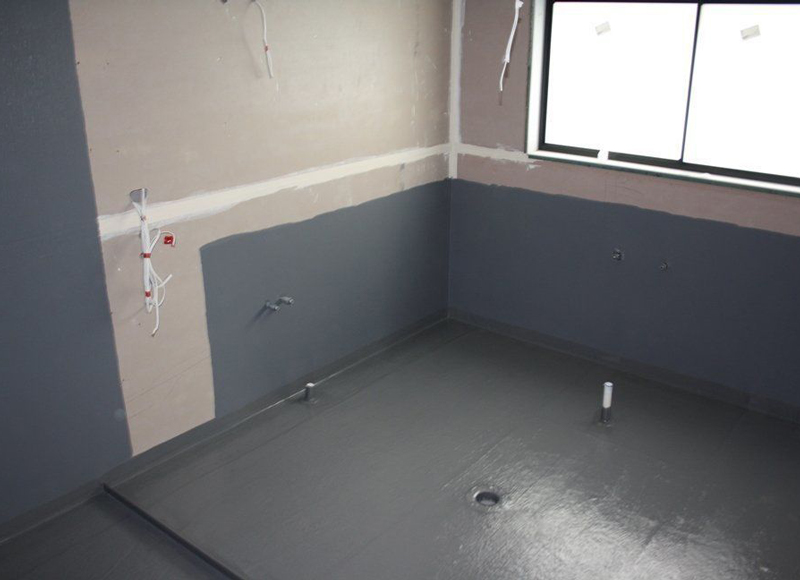
Where it's used inside a building
Beyond roofs, terraces, and balconies, TECHNONICOL ULTRATHANE suitable for:
- wet areas - bathrooms, kitchens, laundry rooms;
- tanks, channels, and pipelines;
- parking areas and spaces under heavy mechanical load;
- renewing old, no-longer-watertight membranes without removing the existing substrate.
For a typical Indian residential building, this means one system can close off several risk zones at once: the floor under bathroom tiles, a balcony screed, the junction where a window frame meets the wall, and - where needed - a basement level or underground parking, where groundwater tends to rise specifically during the rainy months.
Why installation should be planned before the monsoon arrives
Full cure takes about 7 days — during that window the surface shouldn't be put under heavy use or exposed to direct, sustained water contact. Starting the work once the rains have already begun creates real problems:
- it's harder to protect a freshly applied coat through the required curing period without damage;
- high air humidity and condensation on the substrate can interfere with surface preparation;
- any hidden defects have time to show up as active leaks before the repair is even finished.
The best window is March–May — the last calm months before the monsoon arrives: temperatures aren't yet extreme, there's no rainfall to work around, and the coating has time to complete a full cure cycle and settle in before the peak load of June–August hits.
Leaks inside a building almost never appear suddenly — they build up over years as hairline cracks and small, local gaps in the waterproofing.
A polyurethane membrane offers something a rigid cementitious coating can't: elasticity that moves with the building, and seamless protection exactly where leaks tend to start — junctions, corners, and joints. In a climate where the rainy season isn't a single event but a months-long load, this approach to interior waterproofing pays for itself by the first monsoon.
 Share the article
Popular Articles