Research & Development
TECHNONICOL's R&D centers and labs.
drive cutting-edge advancements and rigorous material testing.
TECHNONICOL’s R&D centers and laboratories drive cutting-edge advancements and rigorous material testing. Our scientists study how building materials perform over time and how to make them better: preventing ageing, extending the operating temperature range and adding new functions to roofing, waterproofing and insulation products.
Why it matters for your project?
Research and testing turn into practical benefits for customers: Predictable durability - materials are tested for ageing before supply, Reliable performance in demanding climates - a wide operating temperature range and stability under heat, cold and moisture, Consistent quality - laboratory control of raw materials and finished products, Safer buildings - fire performance tested and classified, Solutions tailored to your needs - the ability to develop products around individual requirements.
Advanced
Factory Laboratories
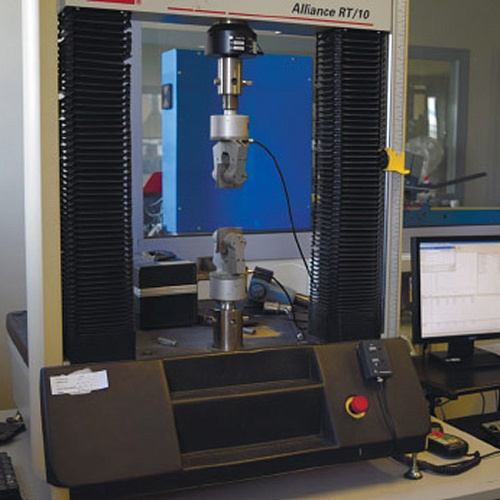
Laboratories at our factories are equipped with modern instruments. They are used to:
- Study the physical and mechanical characteristics of materials across a wide temperature range
- Determine the structure and composition of raw materials
- Test the durability of finished products
Chromatography analysis. Unique chromatography equipment determines the composition of bitumen used for roofing membranes. It helps select the optimal type and amount of modifying additives, which is key to the flexibility, heat resistance and longevity of the final product.
Artificial climate chamber. The climate chamber is used to study how materials age. This method makes it possible to predict how waterproofing materials will perform after many years on a roof, based on just 2 to 3 months of testing. It means that long-term durability is tested before a material reaches your project, not after.
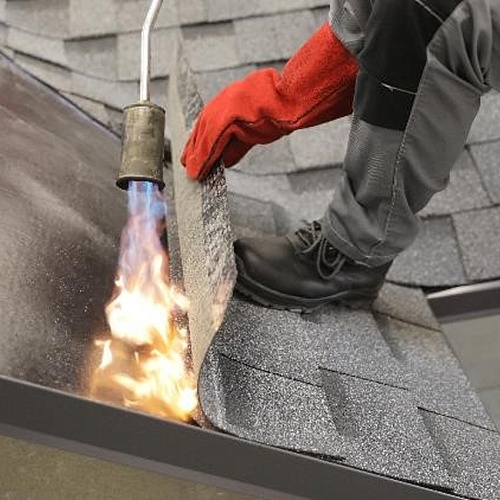
Fire safety. Fire-safe building materials and construction systems are one of TECHNONICOL’s major priorities. Roofing waterproofing membranes comply with strict European fire safety requirements. Bitumen and synthetic membranes resist flames and correspond to class E, and roofing systems are tested for fire performance and meet the criteria for the Broof classification.